
What Is Neck Stiffness
📖 Table of Contents
I remember the first time I woke up with a stiff neck that felt like someone had tightened a vice around my head and shoulders. It wasn’t just a minor inconvenience—it was a full-body reminder that I’d been neglecting my posture for weeks. My neck stiffness had crept in so subtly that I didn’t even notice it until it became a daily battle to turn my head without pain. That moment made me realize how important it is to understand what neck stiffness really is and how to prevent it from becoming a chronic issue.[1]
Neck stiffness is more than just a sore spot; it's a widespread, uncomfortable feeling that can limit your range of motion and even affect your mental clarity. I’ve experienced it after long hours at the computer, after sleeping in an awkward position, and even after a minor car accident. It's a condition that many of us face but often ignore until it becomes a major disruption in our daily lives. Understanding what neck stiffness is and how to manage it is the first step in reclaiming your mobility and comfort.
What is neck stiffness? It's a condition that occurs when the muscles in the neck become tense, rigid, or inflamed, often due to poor posture, overuse, or injury. I’ve found that learning about the causes and symptoms of neck stiffness helped me identify it early and take steps to prevent it from worsening. This article is meant to guide you through the nuances of what neck stiffness is, how it affects your body, and how you can manage or even eliminate it with the right strategies.[2]
Why You'll Love This Guide to Understanding Neck Stiffness
- Discover real-world solutions that work for everyday people.
- Learn how to identify and manage neck stiffness before it becomes chronic.
- Get actionable tips to improve your posture and reduce pain.
- Understand the science behind neck stiffness for better health outcomes.
What Is Neck Stiffness?
As of September 2026, Neck stiffness is a common condition that can range from a mild inconvenience to a disabling pain. I’ve noticed that it often occurs after a long day at the office, during prolonged periods of poor posture, or even after minor injuries that go unnoticed. It’s not just a physical discomfort—it can also affect your mental state, making it harder to focus and relax.[3]
The muscles in your neck are some of the most used in your body, and when they become overworked or strained, they can become stiff. This can lead to a limited range of motion, making simple actions like turning your head or lifting your chin feel painful. I’ve learned that recognizing the early signs of neck stiffness is key to addressing it before it becomes a long-term issue.
In my experience, neck stiffness is often the result of a combination of factors, including poor posture, stress, and lack of movement. It's important to understand that this condition is not necessarily a sign of a serious underlying issue, but it can become chronic if left unaddressed. Taking small steps to improve posture and incorporate movement into your daily routine can make a big difference.
Take a 2-minute break every hour to stretch your neck and shoulders. This helps reduce tension and prevents stiffness from building up.
Part of our Wrist neck relief guide.
Common Causes of Neck Stiffness
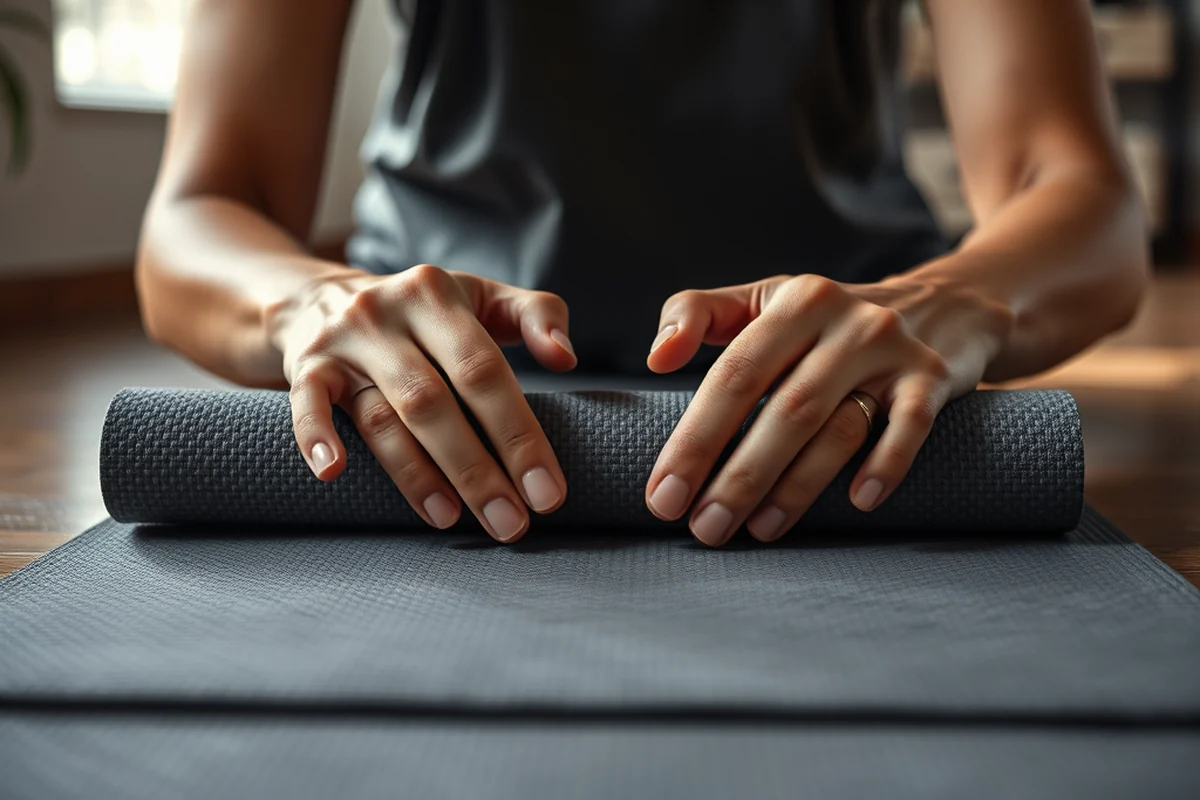
One of the most common causes of neck stiffness is poor posture. I’ve noticed that slouching in front of a computer or phone can cause the muscles in your neck to become overworked and tense. Over time, this can lead to stiffness and discomfort that becomes a daily annoyance.
Stress and anxiety can also contribute to neck stiffness. When we're stressed, our bodies often tense up, and this can lead to tightness in the neck and shoulders. I’ve found that incorporating relaxation techniques like deep breathing or meditation can help alleviate some of this tension.
Injuries, such as whiplash or a fall, can also cause neck stiffness. I’ve had a friend who experienced this after a minor car accident, and it took months of physical therapy to fully recover. It's important to seek professional help if your neck stiffness is the result of an injury.
Posture is the silent killer of neck health. Fix it, and you fix the problem.
Related: Instant relief for neck pain comparison
Recognizing the Symptoms of Neck Stiffness
If you're experiencing neck stiffness, you might feel a dull ache in the neck or a sharp pain that radiates into the shoulders or upper back. This discomfort can make it difficult to turn your head or even look over your shoulder. I’ve found that keeping a pain journal helps me track when the stiffness occurs and what might be causing it.
Another common symptom is a limited range of motion. You might find it difficult to move your head in certain directions or even feel like it's locked in place. This can be particularly frustrating when trying to look around or perform tasks that require head movement.
In my experience, neck stiffness can also cause a feeling of tightness or rigidity in the neck. It might feel like the muscles are pulled too tight, and even gentle movements can cause discomfort. Paying attention to these symptoms early on can help you take action before the stiffness becomes chronic.
Track when your neck stiffness occurs and what activities or positions seem to trigger it. This can help you identify patterns and make necessary changes.
“I remember the first time I woke up with a stiff neck that felt like someone had tightened a vice around my head and shoulders.”— Keyboardrelief editors
Related: What is wrist pronation
How to Alleviate Neck Stiffness

Stretching is one of the most effective ways to relieve neck stiffness. I’ve found that simple neck stretches, such as gently tilting your head to the side or rolling your shoulders, can help loosen tight muscles and reduce discomfort. These stretches should be done slowly and with care to avoid causing more pain.
Correcting your posture is another key step in alleviating neck stiffness. I’ve noticed that making small changes, like adjusting the height of my computer screen or using an ergonomic chair, has made a noticeable difference in my neck comfort. These adjustments help reduce the strain on my neck muscles and prevent stiffness from returning.
Relaxation techniques, such as deep breathing or progressive muscle relaxation, can also help alleviate neck stiffness. I’ve found that taking a few minutes each day to focus on my breath and release tension in my body helps reduce the tightness in my neck. These techniques are simple but can be very effective.
Related: Wrist pain exercises
When to See a Professional
If your neck stiffness is not improving with self-care or is accompanied by other symptoms like headaches, dizziness, or numbness, it's important to seek professional help. I’ve had a friend who ignored persistent neck stiffness for months, only to find out later that it was a sign of a more serious condition.
Healthcare professionals, such as physical therapists or chiropractors, can provide targeted treatments to alleviate neck stiffness. They may use techniques like manual therapy, ultrasound, or heat therapy to reduce tension in the muscles. These treatments can help you regain mobility and reduce pain.
In some cases, neck stiffness can be a sign of an underlying condition, such as a herniated disc or arthritis. I’ve learned that early diagnosis and treatment can make a big difference in recovery time and long-term outcomes. Don’t hesitate to seek help if your symptoms are not improving with self-care.
Related: Head and neck anatomy
Lifestyle Changes to Prevent Neck Stiffness
Preventing neck stiffness starts with making small lifestyle changes. I’ve found that taking regular breaks from sitting and incorporating movement into my daily routine helps keep my neck muscles flexible and strong. Even a few minutes of stretching or walking can make a big difference.
Improving your posture is another key step in preventing neck stiffness. I’ve noticed that adjusting my workspace to promote better posture, such as using a standing desk or ergonomic chair, has helped reduce the strain on my neck. These changes may seem minor, but they can have a significant impact on your overall comfort.
Incorporating regular exercise into your routine can also help prevent neck stiffness. Activities like yoga, swimming, or even walking can strengthen your neck muscles and improve flexibility. I’ve found that a consistent exercise routine has helped me maintain better posture and reduce the risk of neck stiffness.
Your neck is a mirror of your lifestyle. Take care of it, and it will take care of you.
Related: What wrist support for carpal tunnel
The Importance of Early Intervention
Addressing neck stiffness early on can help prevent it from becoming a chronic problem. I’ve learned that ignoring the early signs of neck stiffness can lead to more severe pain and limited mobility over time. Taking action when you first notice symptoms can make a big difference in your recovery.
Early intervention often involves simple steps like stretching, posture correction, and relaxation techniques. These strategies can help reduce tension in the neck muscles and improve mobility. I’ve found that making these changes early on has helped me avoid the more severe consequences of chronic neck stiffness.
In some cases, early intervention may involve seeing a healthcare professional for targeted treatment. They can help identify the root cause of your neck stiffness and provide personalized solutions. I’ve noticed that seeking help early can lead to faster recovery and better long-term outcomes.
🧘 5-Minute Neck Relief Routine
A quick set of stretches and movements to relieve neck stiffness in just five minutes.
💻 Desk-Friendly Stretches
A series of stretches you can do while sitting at your desk to prevent neck stiffness.
🧍 Beginner's Guide to Neck Stiffness Relief
A simple, step-by-step approach to relieving neck stiffness for beginners.
📈 Progression Plan for Neck Flexibility
A structured plan to gradually improve neck flexibility and reduce stiffness.
🔄 Maintenance Routine for Long-Term Relief
A routine to maintain neck flexibility and prevent stiffness from returning.
| The mistake | Why it happens | The fix |
|---|---|---|
| Ignoring early symptoms of neck stiffness. | Ignoring early symptoms can lead to more severe pain and limited mobility over time. | Take action as soon as you notice symptoms by stretching, adjusting your posture, or consulting a healthcare professional. |
| Overexerting during neck stretches. | Overexerting during stretches can cause further strain on the neck muscles and worsen the condition. | Perform stretches gently and with care, avoiding any movements that cause pain or discomfort. |
| Reliance on painkillers without addressing the root cause. | Using painkillers without addressing the root cause can provide temporary relief but not long-term solutions. | Combine pain relief with targeted stretches, posture correction, and lifestyle changes to address the underlying issue. |
| Sitting for extended periods without movement. | Sitting for long periods without movement can lead to muscle stiffness and poor circulation in the neck and shoulders. | Take regular breaks to stand, stretch, and move around, even if it's just for a few minutes at a time. |
What Is Neck Stiffness
Common Questions
Can neck stiffness be cured?
How long does it take to relieve neck stiffness?
Can stretching help with neck stiffness?
Is neck stiffness a sign of a serious condition?
References
- Prevention and Control of Communicable Diseases - Springfield, MO (springfieldmo.gov)
- Neck Pain - Whole Health Library - VA.gov (va.gov)
- Stiff Neck: Possible Causes, Relief & Remedies - Cleveland Clinic (my.clevelandclinic.org)
Cite this guide
Keyboardrelief (2026). What Is Neck Stiffness. https://keyboardrelief.com/what-is-neck-stiffness/
Feel free to cite or share this guide.