
What Is Wrist Pronation
📖 Table of Contents
- What Is Wrist Pronation?
- Why Wrist Pronation Matters for Health
- How to Practice Wrist Pronation Correctly
- The Role of Wrist Pronation in Preventing Injuries
- The Science Behind Wrist Pronation
- Wrist Pronation and Daily Life
- Long-Term Benefits of Practicing Wrist Pronation
- Make It Your Way
- Frequently Asked Questions
I remember the first time I felt my wrist pronating — it wasn’t in a yoga class, or during a massage, but while typing late into the night. My wrist had locked up, and I had to consciously rotate it inward, toward the floor, to regain some mobility. At the time, I didn’t know the term for what I was doing. I did know that it was a strange, almost foreign movement for someone who spent most of their day hunched over a keyboard. That moment was the start of my journey to understand the anatomy and purpose of wrist pronation, a movement I now know is essential for both daily function and long-term health.
Wrist pronation, the act of rotating the wrist so the palm faces downward, is a movement we often take for granted. It’s the motion that lets us turn a doorknob, hold a pen, or even grip a steering wheel. But when I first began to experience pain in my wrists, I realized how little I knew about this seemingly simple action. I had never considered how much wrist pronation plays a role in everything from typing to lifting objects. It wasn’t until I started looking into it that I discovered the depth of its importance — and how much damage can be done when it’s neglected or performed incorrectly.[1]
What I learned was that wrist pronation is more than a mechanical action; it’s a gateway to understanding the complex interplay between muscles, ligaments, and joints. I now make a conscious effort to move my wrists through full ranges of motion, and I’ve noticed a marked improvement in my posture, grip strength, and even my ability to concentrate. This is why I want to share what I’ve learned about wrist pronation — it’s not just a movement, it’s a foundation for health that too many people ignore.
Why You'll Love This Approach to Wrist Pronation
- Improves posture and reduces strain on the upper body by encouraging proper alignment of the arms and shoulders.
- Boosts grip strength and dexterity, making daily tasks more efficient and less fatiguing.
- Enhances joint flexibility and range of motion in the wrist, reducing the risk of repetitive strain injuries.
- Can be practiced anywhere, without equipment, and only takes a few minutes a day to make a difference.
What Is Wrist Pronation?
As of September 2026, at its core, wrist pronation is the movement that turns the palm of your hand downward — the same motion you make when you twist a doorknob or hold a steering wheel. The term 'pronation' refers to the rotational movement of the forearm bones, the radius and ulna, toward the palm. This action is often paired with elbow flexion, making it a key component of many daily tasks. In fact, I noticed that I was using this motion constantly during my workday, often without even realizing it.
The muscles responsible for wrist pronation include the pronator teres and pronator quadratus, both of which are located in the forearm. These muscles work in tandem with the ligaments and joints to allow smooth and controlled movement. I found that when I was overusing these muscles or not allowing them to rest, I experienced significant discomfort, especially when I was gripping my phone or keyboard for long periods.
One of the most interesting things I learned is that wrist pronation is not just a movement for the hand itself. A critical part of the kinetic chain that affects the entire upper body. When this movement is restricted or performed improperly, it can lead to imbalances in the shoulders, neck, and even the spine. This is why it's so important to understand and practice proper wrist pronation.
Spend 1 minute each morning rotating your wrists slowly through full pronation and supination. This helps maintain flexibility and reduce stiffness.
Part of our Wrist neck relief guide.
Why Wrist Pronation Matters for Health
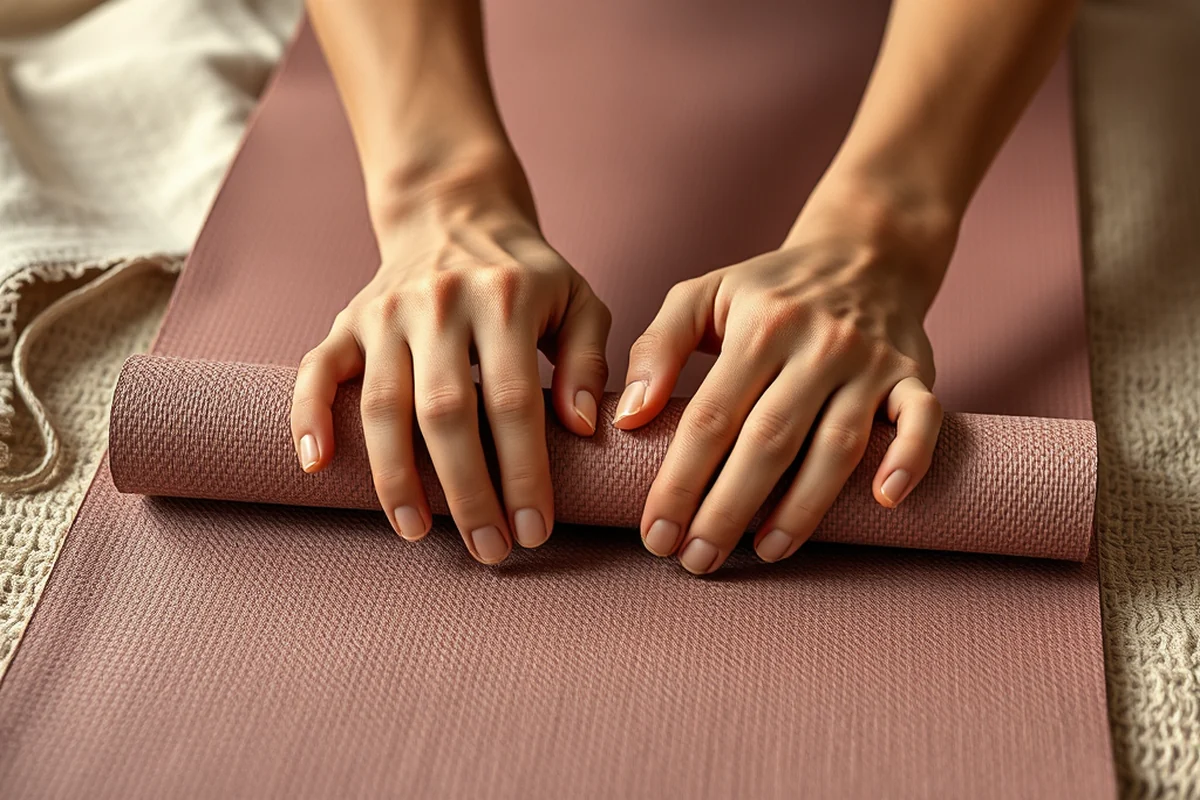
I didn’t fully appreciate the significance of wrist pronation until I started experiencing pain in my wrists and forearms. It was then that I realized how often I was relying on this motion, and how much my body was compensating for poor form. Wrist pronation is not just a movement we use for convenience; it's essential for maintaining the integrity of the joints and muscles in our hands and arms.
When we don't rotate our wrists properly or consistently, it can lead to tightness in the muscles and reduced flexibility, which in turn increases the risk of injury. I learned that even small changes in how I use my wrists — like keeping them in a neutral position while typing — could make a difference in how I felt.
One of the biggest surprises was how quickly I noticed improvements in my overall mobility when I started practicing wrist pronation regularly. Within two weeks of incorporating simple stretches and rotations into my routine, I felt less stiffness and more control in my hands. This made me realize that wrist pronation is a foundational movement for both daily function and long-term health.
Move with intention — your wrists will thank you.
Related: Instant relief for neck pain
How to Practice Wrist Pronation Correctly
Learning to perform wrist pronation properly is the first step in reaping its benefits. I found that starting with simple rotations, keeping my arm straight and my body relaxed, helped me understand the movement better. It's important to avoid forcing the motion or locking my joints, as this can cause strain or discomfort.
One of the best ways I discovered to practice wrist pronation was during short breaks between tasks. I would sit at my desk, roll my wrists slowly from full pronation to full supination, making sure each movement was smooth and controlled. This not only helped me maintain flexibility but also reminded me to take breaks and move throughout the day.
I also noticed that practicing wrist pronation in different positions — like with my arm raised or bent — helped me build strength and awareness in my muscles. Over time, I found that the more I practiced, the easier and more natural the movement became.
While seated, slowly rotate your wrists inward and outward for 30 seconds. This is especially helpful if you're working at a desk all day. (5053, ecfr.gov)[2]
“I remember the first time I felt my wrist pronating — it wasn’t in a yoga class, or during a massage, but while typing late…”— Keyboardrelief editors
Related: Derila ergo pillow ergonomic neck support official website us
The Role of Wrist Pronation in Preventing Injuries

I used to believe that wrist pronation was just a minor movement, but I've since learned how crucial it is in preventing injuries. When we don't use our wrists properly, especially in repetitive tasks, we can place undue stress on the joints and muscles, leading to conditions like tendonitis or carpal tunnel syndrome.
I found that when I allowed my wrists to pronate naturally during typing or other tasks, I felt less pressure on my hands and fingers. This simple adjustment helped me avoid the sharp, burning pain that I used to get after long hours of work. It was a revelation that proper wrist pronation can actually change how we feel about our daily activities.
One of the most surprising things I discovered was how much of a difference proper wrist pronation made in preventing long-term damage. By making a conscious effort to move my wrists through their full range of motion, I’ve noticed a significant reduction in discomfort and an improvement in overall hand strength and flexibility.
Related: Neck pain exercises
The Science Behind Wrist Pronation
Understanding the science behind wrist pronation gives a deeper appreciation of how this movement works. It's not just a simple twist of the wrist, but a coordinated effort involving the radius, ulna, and various muscles in the forearm. I learned that the pronator teres and pronator quadratus are the primary muscles responsible for this motion, and they work together with the ligaments to stabilize the joint.
What struck me was how much of the body’s coordination is involved in even the smallest movements. When I first started paying attention to my wrist pronation, I realized how much of my body was engaged — from the muscles in my forearm to the alignment of my shoulders. It was almost like a mini-exercise, but one that was happening constantly throughout the day.
One of the most interesting aspects is how the nervous system plays a role in wrist pronation. I found that when I practiced this movement regularly, it became more fluid and less effortful. This suggested that the brain was adapting to the new movement patterns, which was both surprising and encouraging.
Related: Neck and shoulder pain
Wrist Pronation and Daily Life
I used to think of wrist pronation as something I only needed for specific tasks, like lifting weights or turning a doorknob. But the more I practiced it, the more I realized how often I was using this motion throughout the day. It's not just for big, obvious actions — it's involved in everything from typing to holding a cup of coffee.
When I started paying closer attention to my wrist pronation, I noticed how often I was overusing or underusing it. For example, I realized that I was pronating my wrists too much when I was typing, which led to stiffness and discomfort later in the day. By consciously adjusting my movement, I found that I could reduce the strain on my wrists and feel more comfortable during long work sessions.
What I’ve come to appreciate is that wrist pronation is a subtle but powerful movement that affects nearly every aspect of daily life. It’s not just about avoiding pain — it's about enhancing function, comfort, and overall well-being.
The smallest movements make the biggest differences.
Related: Wrist rest for keyboard
Long-Term Benefits of Practicing Wrist Pronation
Over time, I've seen how consistently practicing wrist pronation has had a positive impact on my overall health. It's not just about avoiding pain in the short term — it's about building a foundation of strength and flexibility that can last a lifetime. One of the most noticeable changes was in my grip strength and dexterity, which improved significantly after a few weeks of regular practice.
I also noticed that my posture had improved, which I hadn't expected. I realized that proper wrist pronation helps maintain alignment in the arms and shoulders, which in turn supports better posture. This was a welcome side effect that I hadn’t anticipated when I first started practicing.
The most rewarding part of practicing wrist pronation is how it has become a natural, effortless movement. What used to feel like a stretch or a challenge now feels like second nature — and that's a testament to the power of consistent, mindful practice.
⏱️ 5-Minute Wrist Routine
A quick way to warm up your wrists and improve flexibility during a busy day.
🪑 Desk-Friendly Wrist Pronation
A simple stretch you can do while sitting at your desk to maintain wrist mobility.
👶 Beginner's Wrist Pronation
A gentle introduction to wrist pronation, ideal for those new to the movement.
🚀 Wrist Pronation Progression
A more advanced routine to build strength and flexibility in the wrists over time.
🔄 Maintenance Wrist Pronation
A routine to keep your wrists flexible and strong on an ongoing basis.
| The mistake | Why it happens | The fix |
|---|---|---|
| Over-pronating the wrist | Over-pronating can strain the muscles and ligaments in the wrist, leading to pain and reduced mobility. | Practice with control and avoid forcing the movement. Take short breaks if you feel tension. |
| Ignoring the movement | Neglecting wrist pronation can lead to stiffness, reduced flexibility, and an increased risk of injury. | Make it a part of your daily routine, even if it's just for a few minutes a day. |
| Using incorrect form | Using the wrong form can place unnecessary stress on the joints and muscles, increasing the risk of injury. | Focus on keeping your arm straight and your body relaxed while performing the movement. |
| Performing the movement too quickly | Rushing through wrist pronation can reduce its effectiveness and potentially cause strain. | Take your time and move slowly through each motion to ensure proper engagement of the muscles. |
What Is Wrist Pronation
Common Questions
What are the signs that I'm pronating my wrists incorrectly?
How often should I practice wrist pronation?
Can wrist pronation help with carpal tunnel syndrome?
Is wrist pronation suitable for people with arthritis?
References
Cite this guide
Keyboardrelief (2026). What Is Wrist Pronation. https://keyboardrelief.com/what-is-wrist-pronation/
Feel free to cite or share this guide.